The Fire Crisis in Western Australia

BROADSCALE PRESCRIBED BURNING HAS NO PLACE IN A GLOBAL DRYING HOTSPOT

The WA Government’s fire management strategy is to maintain a fuel age of LESS THAN six years since last burnt in AT LEAST 45% of the landscape across the three southwest forest regions.

This equates to burning approximately 200,000 hectares of the southwest landscape on an annual basis. 

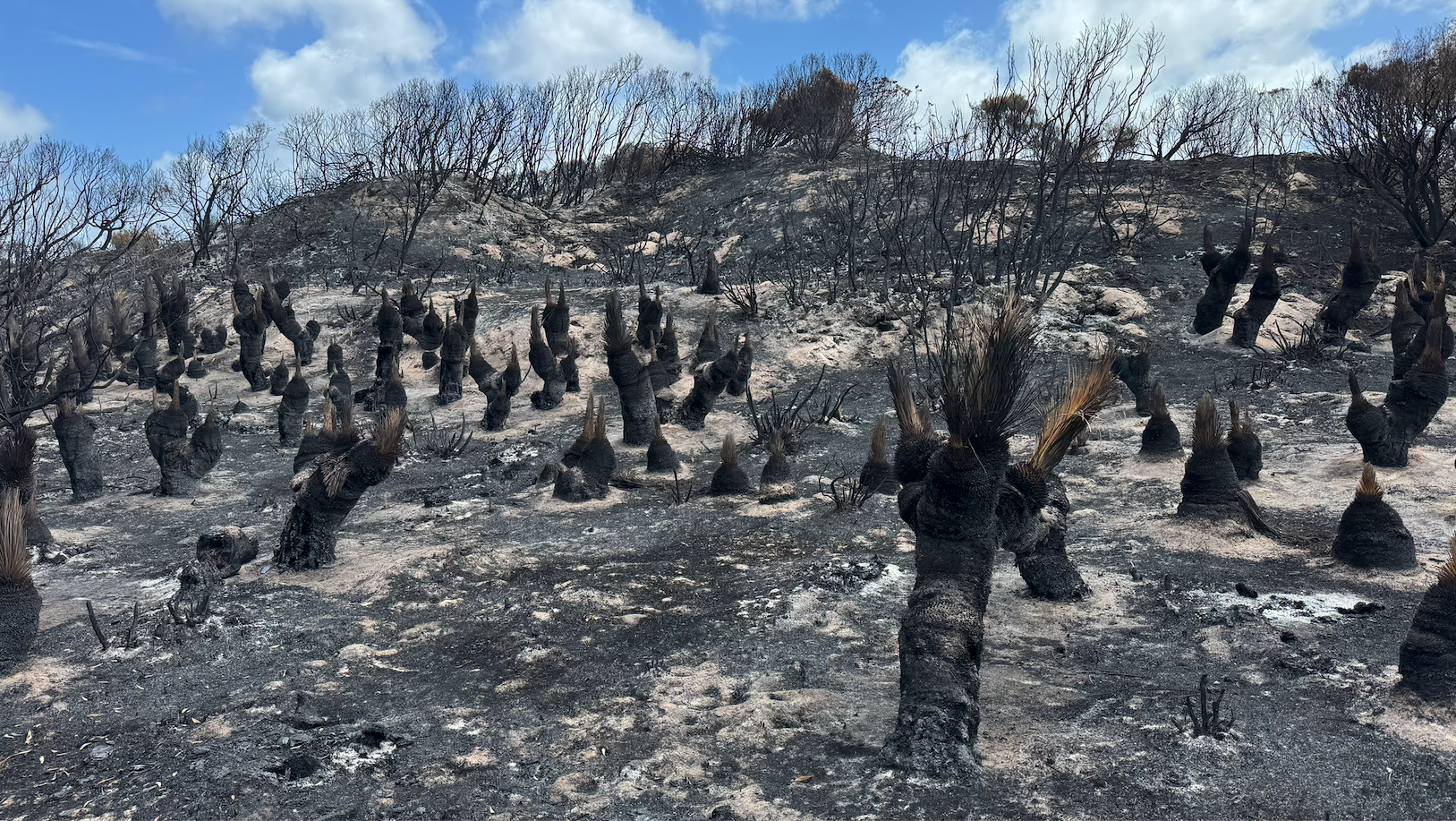
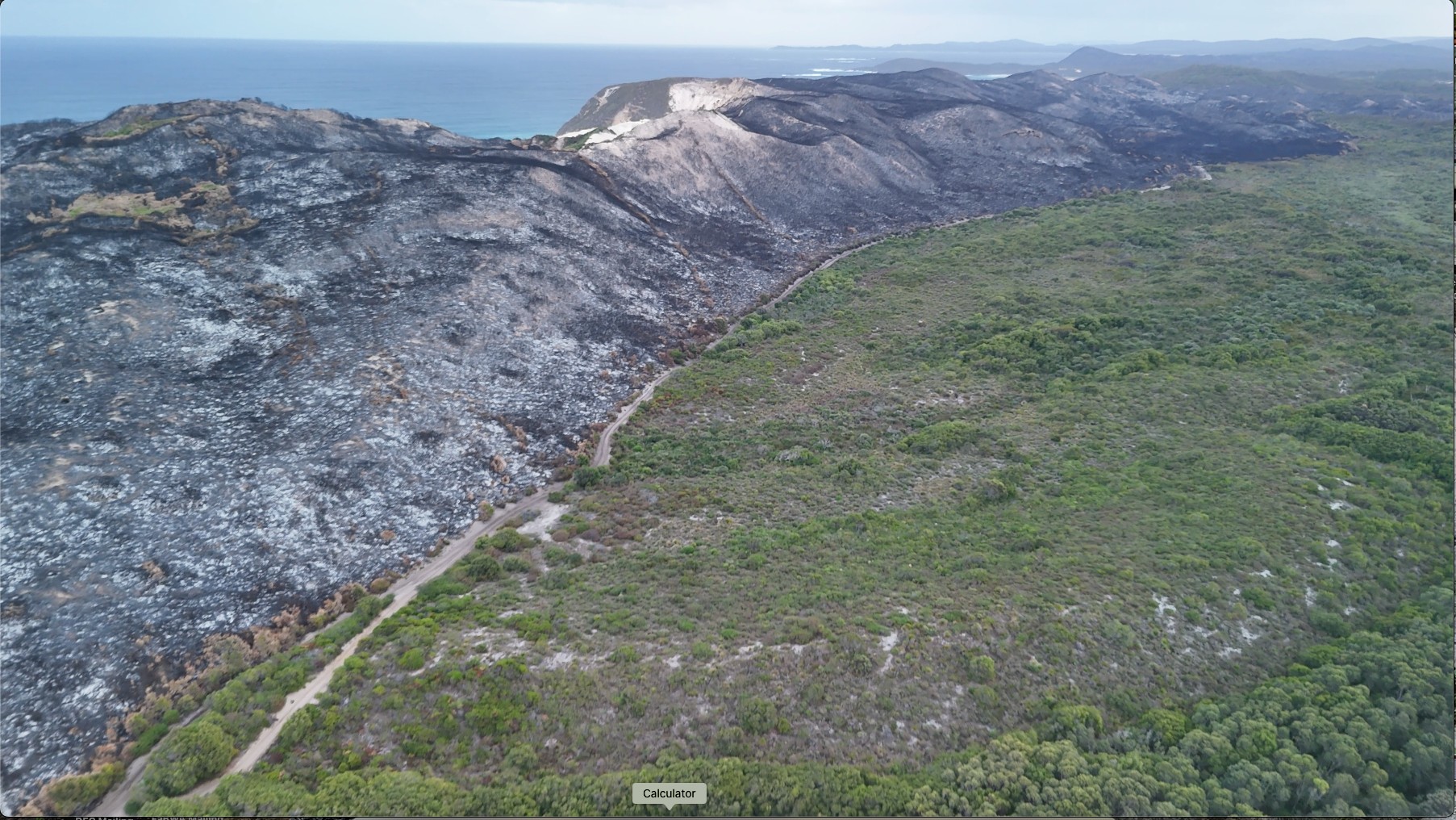
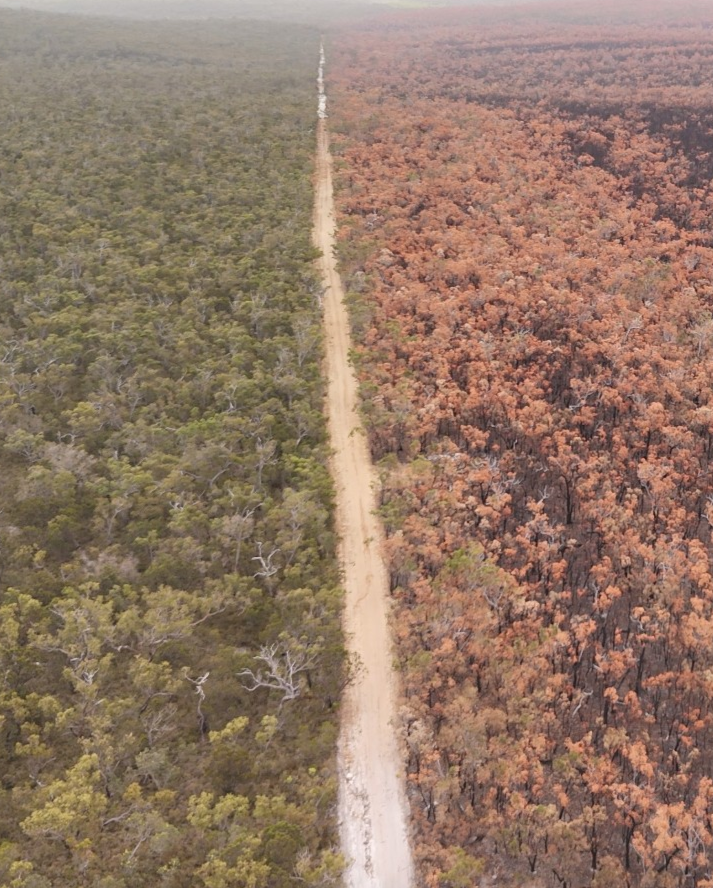
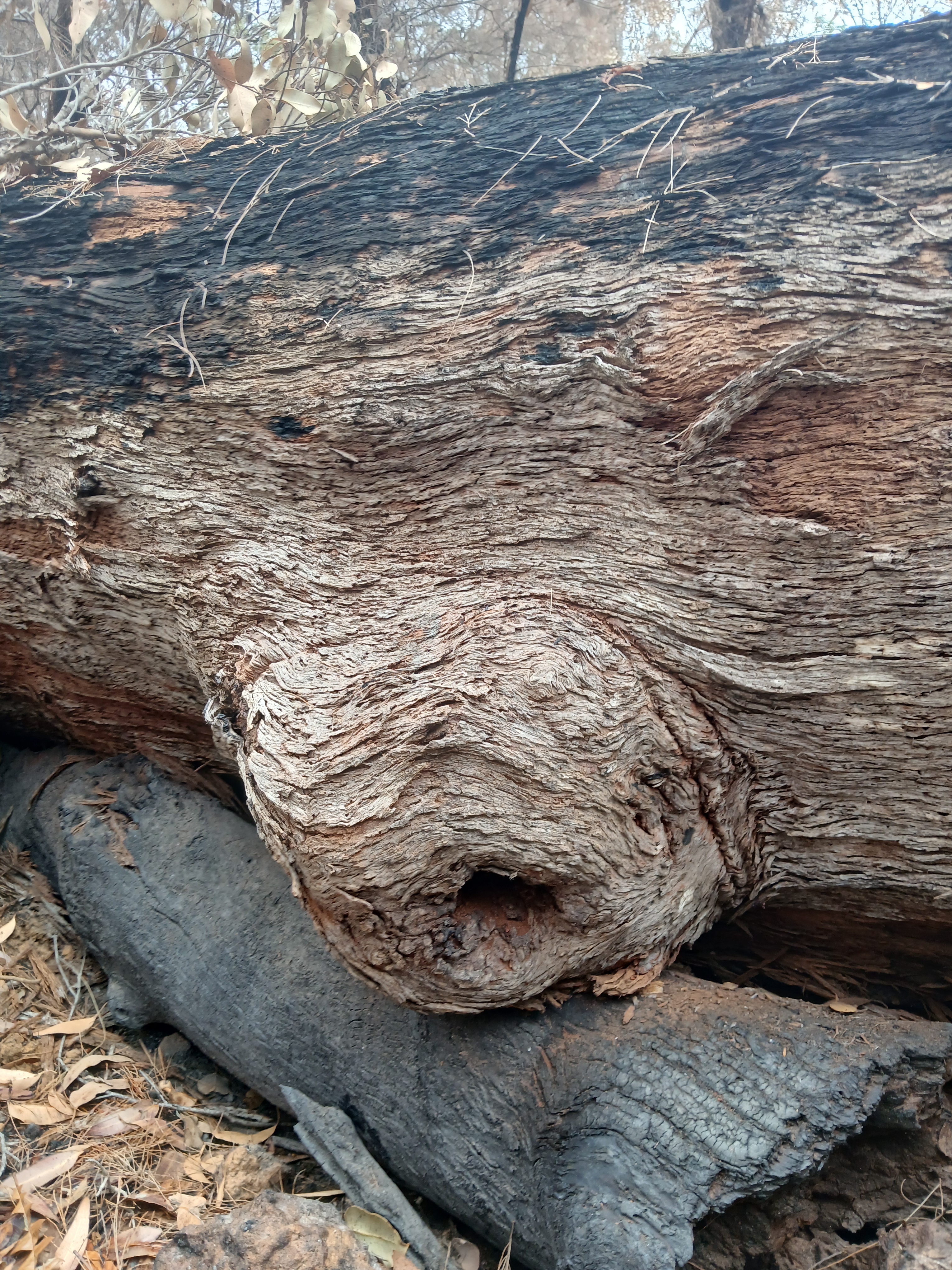
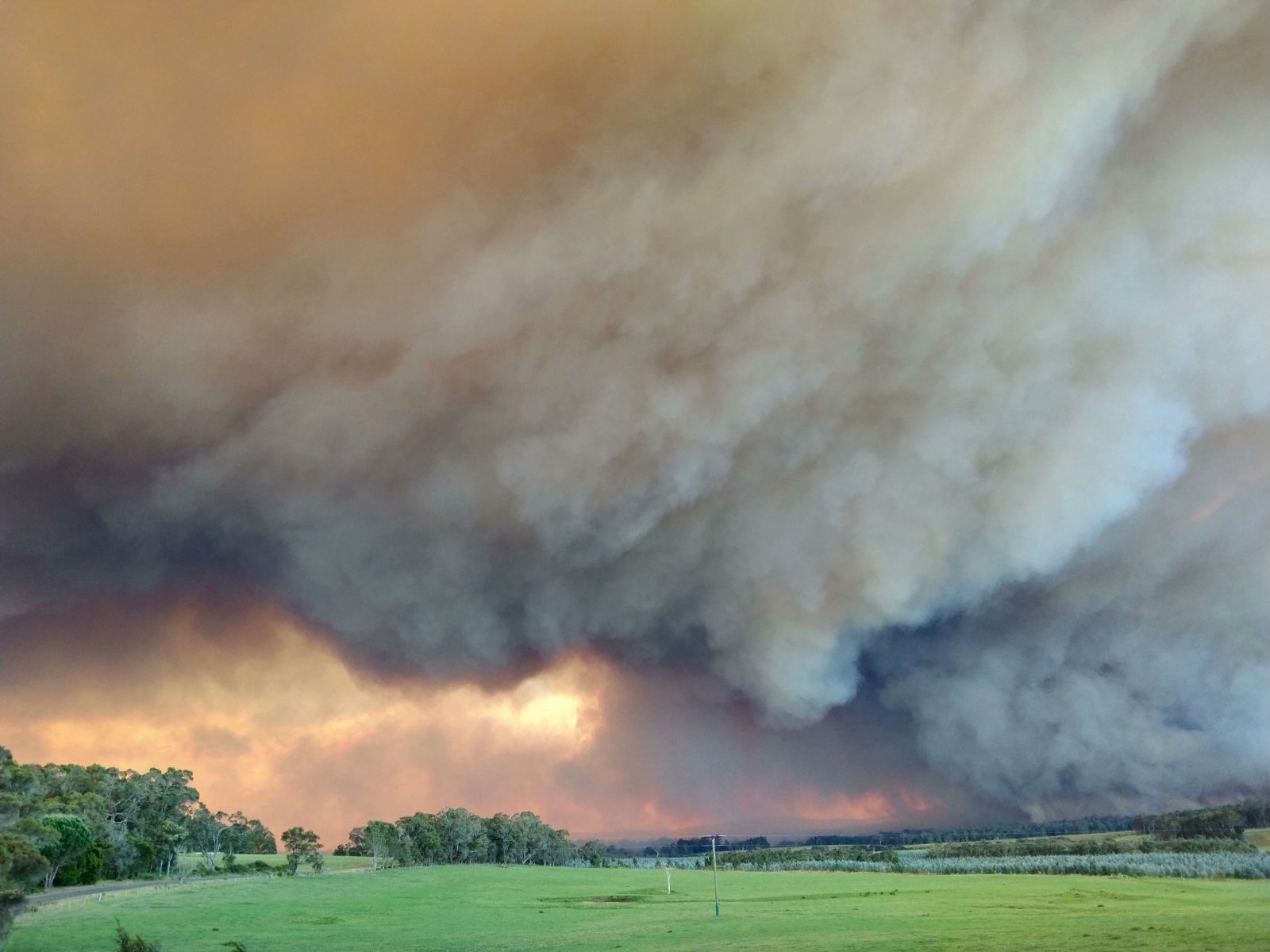
These burns are meant to make us safer. Instead, they are destroying biodiversity, driving wildlife toward extinction, polluting our air, and having minimal effect on reducing fire risk, particularly in extreme fire weather.

Broadscale prescribed burning has no place in a global drying hotspot

Why This is a Crisis

What’s Being Lost

Declines in Biodiversity
Styx block, 3,490 hectare DBCA prescribed burn adjacent rural properties near Denmark, aerial ignition on 3rd November 2023.
Adverse Health impacts

The Climate Cost of Burning

Prescribed burns are a hidden driver of WA’s emissions.
Prescribed burns contribute around 10% of WA’s annual greenhouse gases and are not fully accounted for in state reports.
In 2022-23, DBCA burned 175,414 ha of the southwest forest regions. This is an estimated 7 million tonnes of greenhouse gases or 8% of WA’s reported total emissions of 83 million tonnes for the period.
Frequent fires release more carbon than regrowing forests can absorb, undermining WA's commitments to reduce carbon emissions.
WA Climate & Fire Weather
Sources

While the world moves to net zero carbon, WA’s fire policy is burning its climate budget.

A Timeline of Prescribed Burning in WA

Mid-1800's

Traditional Aboriginal burning practices in WA were suppressed by colonial laws and practices starting as early as the mid-19th century.

WA Bushfire Regulations were passed in 1847 which limited Aboriginal cultural burning practices and punished people for lighting fires outside of designated periods. Punishments included fines, compensation for damages and even public flogging of Aboriginal people and boys under 16 years old. This was legislated as “An Ordinance to diminish the Dangers resulting from Bush Fires.”

Source: https://www.legislation.wa.gov.au/legislation/statutes.nsf/main_mrtitle_10973_homepage.html
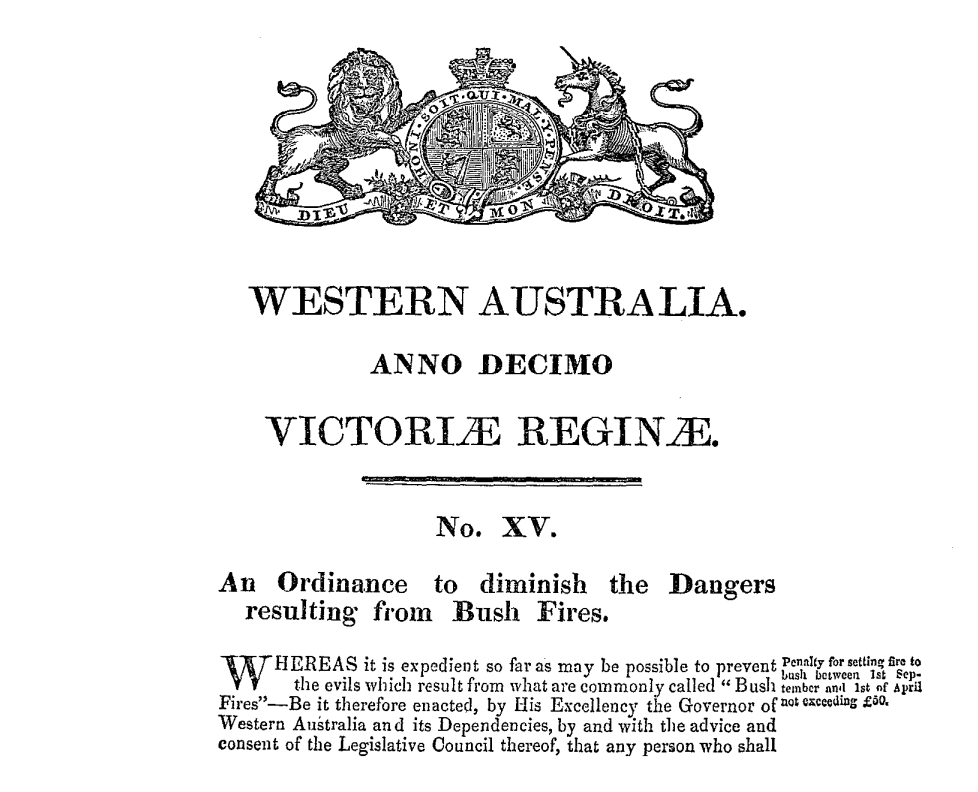
1847_Ordinance_Dangers resulting from bushfires
Early 1900's

On private lands, fire was widely used as a management tool, often indiscriminately to clear vegetation for agriculture, and to promote 'green pick' for stock grazing. On public lands, fire was generally viewed negatively for its destructive capacity.

Some deliberate burning was done in public forests by foresters but not in accord with any organised
plan or approach, at least prior to 1939 (Pyne, 2006).

Some settlers adopted and adapted Aboriginal burning methods:

  • Season: autumn after first rains
  • Frequency: mostly 3-4 yrs (2/3-8/10)
  • Size: mostly 10-50 acres (0.4-20 hectares)
  • Patchiness: high (Abbott, 2003).
Blue Holes, Walpole-Nornalup NP B
1950's - 1960's

Broadscale prescribed burning of southwest WA forests became formal policy in the mid-1950s. 

From the mid-1960's, the development of aerial incendiaries enabled large remote areas to be lit quickly and inexpensively when conditions were deemed suitable (Luke and Macarthur, 1978). Aerial incendiaries are small, capsule-like devices dropped from aircraft to deliberately start prescribed fires. These capsules contain flammable material that ignites after a short delay.

Styx block_Aerial ignition_2nd November 2023_1_Credit-Tim Dowden-Parker
1970's - 2000's

The target to burn 200,000 hectares was developed in the late 1970's and early 1980's by the WA Forests Department and implemented in southwest WA forests. It was formally adopted by a Ministerial Review Panel in 1994.

It was notionally set by the average number of prescribed burning opportunities that could be expected to present themselves, the resources available to undertake them and an estimation of how much of the landscape needed to be maintained in a low fuel condition to reduce the risk of landscape scale bushfires.

This target equates to approximately 45% of the southwest landscape maintained at less than six years since last burnt.
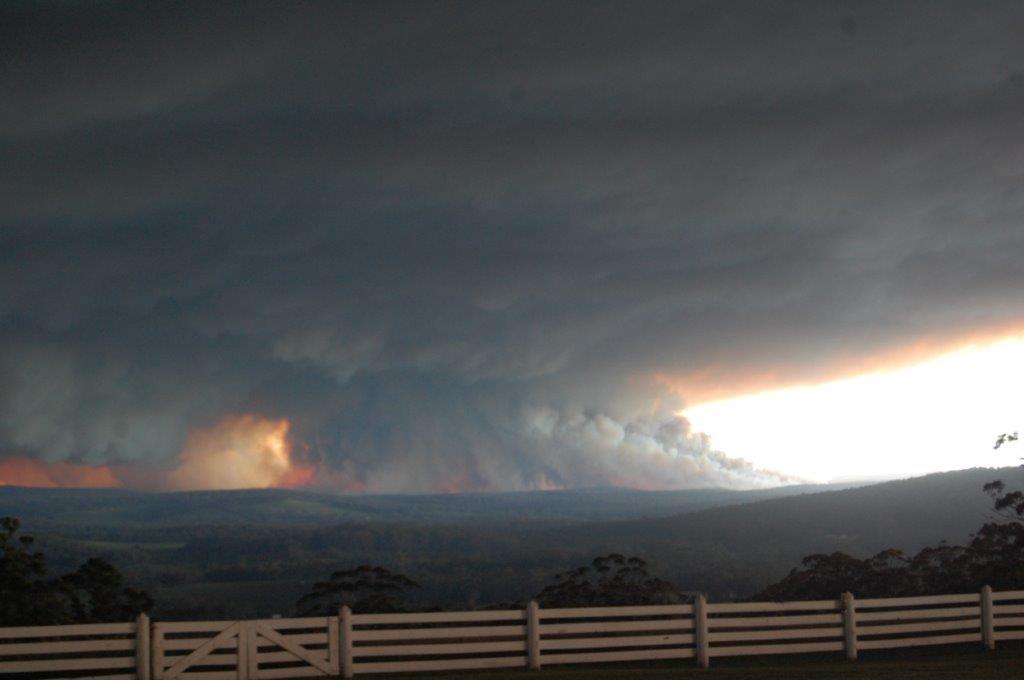
20191208_Mt Lindesay NP-8000+ ha prescribed burn
Present day

There is general agreement that inappropriate fire regimes, including those resulting from prescribed burning, can damage biodiversity and other environmental and community values and that there is an ongoing need for more research (Australasian Fire and Emergency Service Authorities Council Limited, 2015).

Fire regimes that cause declines in biodiversity have been nationally recognised as a key threatening process.

Frequent broadscale prescribed burning and quota-driven targets remain the current practice.

In southwest WA, recent research shows no reliable link between total area burned and wildfire extent (Campbell et al., 2022).
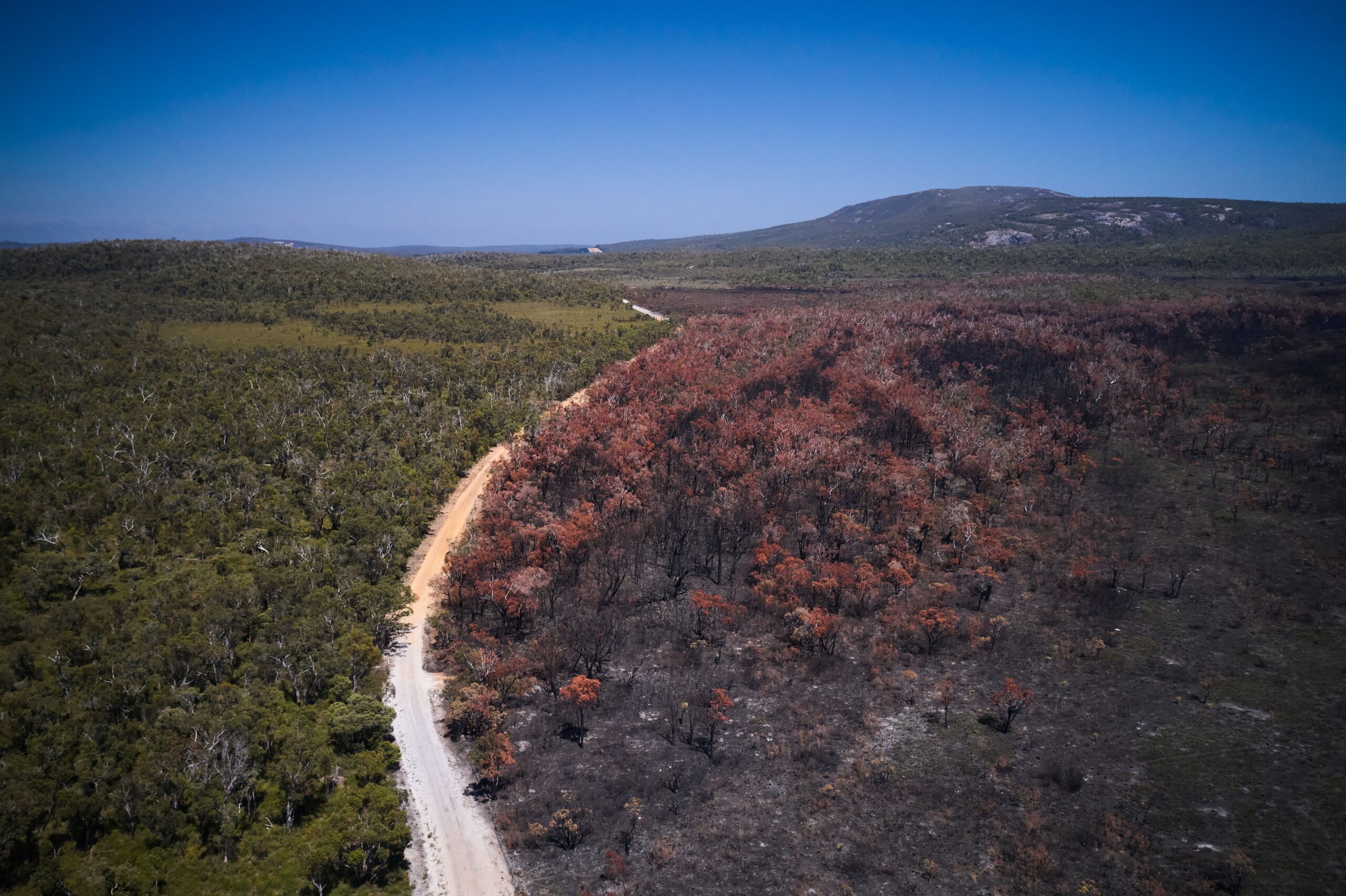
Denbarker_DBCA prescribed burn_8,600 ha_Mt Lindesay National Park_Core aerial ignition_8th Nov 2019_Credit-Roger D'Souza, 17th Dec 2019
Future trajectory

To be continued

Quarram prescribed burn May 18 and 19, 2024

What Aboriginal Fire Knowledge Teaches Us

For millennia, Noongar Traditional Custodians cared for Country and used fire for spiritual and cultural purposes and to effectively manage the land. Cultural burning is fire applied in the right season, at the right time and in the right way.

Cultural burning is about healing land, not hitting quotas.
Today’s broadscale, industrial burns disregard this wisdom — and the country suffers for it.

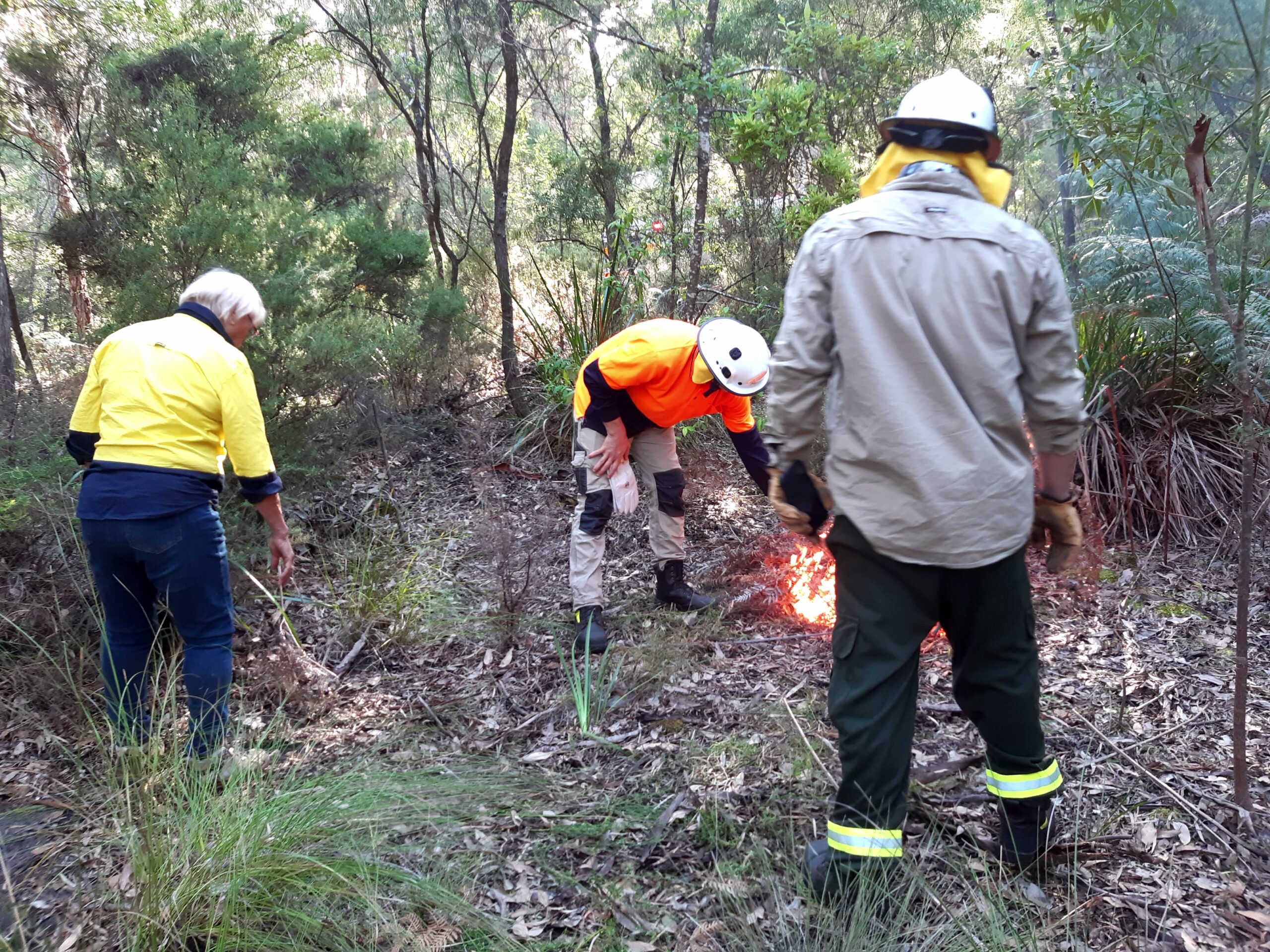
Collaborative small, cool burn with Noongar Elders and Aboriginal Rangers on Wilson Inlet foreshore, Denmark. Photo: 10th May 2022

Reform must mean listening to Indigenous voices; respecting and supporting cultural fire knowledge, values and practices.

Community Voices

If Nothing Changes

If WA continues blanket broadscale burning every year

Species like the numbat and western ringtail possum could face local extinction within a decade (Leeuwin Group, 2019).

Old growth forests will continue to collapse and deteriorate and be replaced by dense, highly flammable regrowth

Communities will face an ongoing smoke-related health crises.

This isn’t a distant risk. It is happening now — and accelerating.

Why Change is Urgent

Other regions show us reform works
Victoria

Abandoned its hectare target in 2015, adopting a risk-based approach (Safer Together) that targets burns in area where they matter most (IGEM, 2015).

NSW

Uses Bush Fire Risk Management Plans that prioritise community safety, not annual quotas (NSW RFS, 2020).

Internationally

California and Portugal emphasise rapid detection, early suppression, and cultural fire.

WA is now one of the only regions clinging to hectare targets — an outdated and damaging policy.
Scroll to Top